
About Megh Mandal Sansthan
A socio-cultural institution working for the preservation, promotion and wider public reach of Indian art, culture and heritage.
Megh Mandal Sansthan is a socio-cultural institution working towards the preservation, promotion and wider public reach of Indian art, culture and heritage.
It was founded in the belief that India’s artistic traditions — rich, layered and centuries in the making, belong not only in museums and books, but in the everyday life of the people who inherit them.
Among the Sansthan’s principal cultural undertakings is “Chitranjali” “Raja Ravi Varma Chitrakar Samman Samaroh”, an initiative built in remembrance of one of Indian painting’s most influential figures. Raja Ravi Varma gave India’s mythology, deities and everyday life a visual language that reached far beyond the palace and the exhibition hall into the homes of ordinary people and in doing so, reshaped how the country came to picture itself. It is this same spirit of accessibility, dignity and devotion to craft that Megh Mandal Sansthan seeks to carry forward.
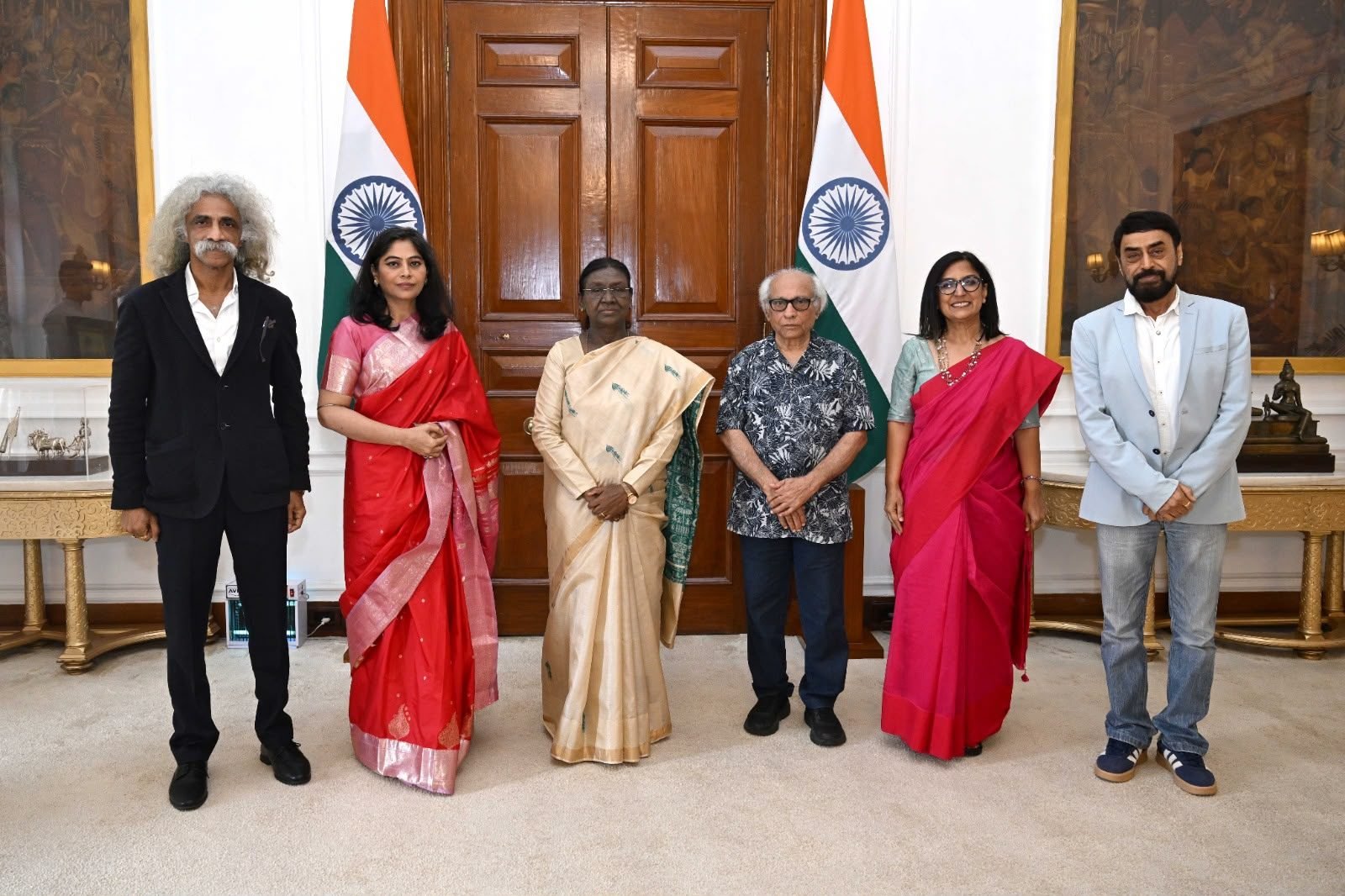
Chitranjali is not merely a felicitation ceremony. It is a national platform of respect for Indian painting, for the discipline and devotion (कला-साधना) that artistic life demands, and for the cultural inheritance that painters across generations have kept alive. Through Chitranjali, the Sansthan honours talented painters and artists from different regions of the country, giving India’s diverse visual traditions a shared, national stage.
Beyond the flagship programme
The Sansthan’s work extends well beyond Chitranjali
It is engaged in six connected areas of work — from documentation and research to international presentation.
Preservation & promotion
Documentation, research and public programming.
Recognition of artists
Honours, felicitation ceremonies and platforms.
Exhibitions & programmes
Art shows, lectures, seminars and events.
At its core, Megh Mandal Sansthan holds a simple conviction: that art is never merely decorative. It is a society’s memory, its culture and its identity, given visible form.
Guided by Raja Ravi Varma’s artistic vision and by India’s broader aesthetic tradition, the Sansthan works to build a living, ongoing bridge between this inheritance and the artists, students and audiences of today.